





















Explore Destination
$3.9B → $54.1B
Market size, 2025 to 2032
12.3%
CAGR, dedicated segment
5
World regions analysed
~7%
India wellness tourism CAGR
507K+
Foreign medical arrivals, India, 2025
2040
Forecast horizon
Executive Summary
Why this report exists, and why now
Travel has traditionally been framed around escape, leisure, or discovery. A new and fast-growing segment is reframing it around a different goal: extending healthspan, the number of years a person lives in good health, rather than simply lifespan. This is longevity tourism travel undertaken specifically to access preventive diagnostics, regenerative therapies, functional medicine, and evidence-based wellness protocols that conventional healthcare systems rarely offer as part of routine care.
The shift is happening now for reasons that reinforce one another. Aging populations across North America, Europe, and East Asia are straining reactive, treatment-based healthcare systems, pushing both governments and individuals toward prevention. Chronic lifestyle disease, burnout, and declining mental health have made “optimisation” a mainstream consumer goal rather than a niche pursuit. Meanwhile genomics, wearable biometrics, and AI-driven diagnostics have made personalised health data accessible outside hospital walls and a wellness economy already worth trillions has built the hospitality infrastructure to deliver it at scale.
Independent market analyses value the dedicated longevity tourism segment in the low single-digit billions today, but forecast double-digit annual growth through the early 2030s among the fastest-growing categories in global travel.
This report covers what longevity tourism is, why it’s growing, how big the market is, where it’s happening region by region, who the traveler is, the trends defining 2026, India’s distinct competitive position, where capital is flowing, what’s holding the industry back, and where it’s headed through 2040.
Chapter 01
What Is Longevity Tourism?
Longevity – the length of a person’s life.
Healthspan – the portion of that life spent free of chronic disease and disability.
Healthy aging – the practical pursuit of extending healthspan through nutrition, movement, sleep, stress regulation, and preventive screening.
Longevity tourism is what happens when travelers cross borders specifically to pursue that goal combining destination, environment, and clinical or therapeutic expertise in a single trip. It sits between two better-established categories, but is defined by a distinct intent: optimisation, not relaxation or cure.
WELLNESS VS. MEDICAL VS. LONGEVITY TOURISM
| Dimension | Wellness | Medical | Longevity |
|---|---|---|---|
| Primary goal | Relaxation, stress relief | Treat a diagnosed condition | Extend healthspan, prevent decline |
| Typical provider | Spa, resort | Hospital, surgical clinic | Longevity clinic, medical-wellness resort |
| Time horizon | Short-term (days) | Procedure-specific | Ongoing programme, often repeat visits |
| Core methods | Massage, yoga, spa therapies | Surgery, diagnostics, treatment | Genomics, biomarkers, regenerative therapy |
| Traveler profile | Broad consumer base | Seeking cost or access advantage | Affluent, health-conscious, prevention-minded |
Chapter 02
Why Longevity Tourism Is Growing
Aging population. The share of the global population over 60 is rising steadily, and health systems built for acute care are increasingly asked to manage decades of chronic risk instead.
Preventive healthcare. Consumers and insurers are shifting spend from treatment toward prevention, favouring diagnostics over managing disease after it appears.
Wellness economy. A multi-trillion-dollar wellness economy already provides the hospitality and spa infrastructure longevity providers build on.
Lifestyle diseases. Diabetes, cardiovascular disease, and obesity are pushing people toward structured dietary and metabolic reset programmes.
Mental health. Anxiety, poor sleep, and cognitive fatigue are now treated as longevity risk factors, driving demand for neurowellness and sleep retreats.
Burnout. Always-on work culture has made “resetting” a recurring need rather than a once-a-year holiday.
Personalised healthcare. Genomic testing and biomarker tracking let programmes tailor to an individual’s biology.
Technology. Wearables and AI coaching extend a guest’s programme beyond the trip, turning one visit into an ongoing relationship.
Chapter 03
The Global Longevity Tourism Market
Market sizing varies by how narrowly the segment is defined, but every major estimate points the same direction: rapid, double-digit growth from a still-small base, nested inside a much larger wellness tourism economy.
MARKET SIZE AND FORECAST GROWTH
| Segment | Base Year | Forecast | CAGR |
|---|---|---|---|
| Longevity tourism (dedicated) | $3.9B (2025) | $54.1B by 2032 | 12.3% |
| Longevity hotels | $6.81B (2025) | $11.76B by 2030 | 11.5% |
| Global wellness tourism | $990.4B (2025) | $2,400.0B by 2035 | 9.3% |
| Global tourism (all travel) | $9,897B (2025) | $14,791B by 2035 | 4.1% |
Longevity tourism is growing roughly three times faster than global travel overall, and faster than the wellness tourism category that contains it a distinct, accelerating sub-segment rather than a repackaging of existing spa demand.
Timeline
- 2025 – Dedicated segment at roughly $3.9B; established clinics begin multi-site international expansion.
- 2026 – Longevity programming becomes standard for luxury resort brands; wellness tourism overall approaches $1.1T.
- 2028-2030 – Longevity hotels approach $11.8B; mid-market entrants appear alongside luxury pioneers.
- 2032 – Dedicated segment projected to reach roughly $54B.
- 2035 – Global wellness tourism projected to reach roughly $2.4T.
Chapter 04
Regional Analysis
Europe
The historical home of clinical longevity medicine. Switzerland’s Clinique La Prairie (est. 1931) remains a global benchmark for cellular regeneration therapy, with plans to expand to roughly 50 spa-clinic locations worldwide. Germany and Austria are anchored by Lanserhof’s metabolic optimisation programmes.
Asia
Combines ancient wellness traditions with fast-growing modern infrastructure. India leads on Ayurveda and yoga (Chapter 7). Thailand’s Chiva-Som, Kamalaya, and RAKxa are expanding into functional medicine. Asia Pacific is projected to be the fastest-growing wellness tourism region through 2030.
North America
Holds the largest share of the broader wellness tourism market over 35% in 2025 supported by a large affluent consumer base and growing medical-wellness integration.
Middle East
The UAE is investing heavily in tourism infrastructure as part of national diversification, emerging as a longevity hub with some of the fastest tourism-sector growth rates globally.
Australia
Natural environment-led retreats and a strong domestic wellness culture make it a smaller but stable contributor to Asia-Pacific growth.
Chapter 05
Consumer Behaviour
Longevity travelers share a broadly consistent profile across markets, though motivations vary by life stage:
Age. Primarily 35-65, spanning mid-career burnout recovery and pre/post-retirement healthy aging.
Income. Above-average to high; programmes priced as a premium, multi-day investment.
Purpose. Preventive diagnostics, chronic-risk reduction, and structured healthy-aging rather than pure relaxation.
Duration. Typically 5-14 days; some regenerative stays run longer.
Budget. Wide range mid-market Ayurveda retreats to ultra-premium clinical assessments costing tens of thousands.
Preferred therapies. Genomic testing, Panchakarma, cellular regeneration, cryotherapy, sleep optimisation, personalised nutrition.
Preferred destinations. Clinically credentialed European centres alongside Kerala, Thailand, and Blue Zone-linked regions.
Preferred accommodation. Purpose-built clinics and medical-wellness resorts, increasingly alongside retrofitted luxury hotel brands.
Chapter 06
Industry Trends
Sleep Tourism. Dedicated circadian-rhythm retreats, reflecting sleep as a core longevity biomarker.
Biohacking. PEMF, cryotherapy, infrared and vibrational treatment paired with real-time biometric feedback.
Longevity Clinics. Purpose-built diagnostics and regenerative treatment, increasingly embedded within resorts.
Ayurveda. Classical Indian systems positioned globally as evidence-informed preventive medicine.
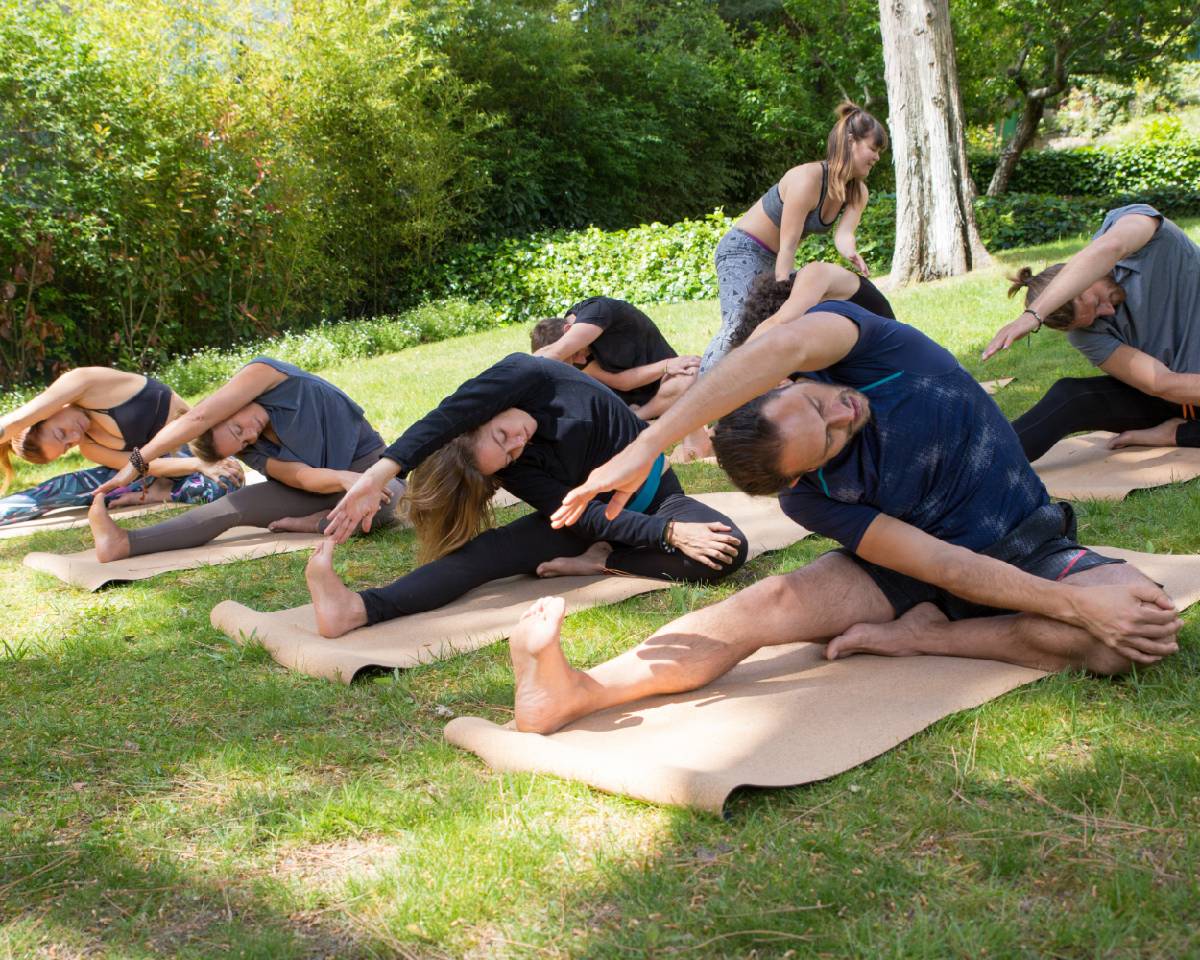
Yoga. Structured, teacher-led programmes integrated with medical offerings.
Digital Detox. Structured disconnection as a deliberate intervention for stress and sleep.
Forest Bathing. Nature-immersion, popularised in Japan, adopted globally as low-cost stress reduction.
Preventive Medicine. Structured screening replacing reactive, treat-after-diagnosis care.
Functional Nutrition. Personalised, often genomics-informed dietary programmes.
Women’s Longevity. A shift toward proactive, ovarian-ageing-informed care.
Corporate Wellness. Employers extending retreat programmes as a health benefit.
Chapter 07
India’s Role
India occupies a distinct position: it is the only major market where the core therapeutic system Ayurveda is thousands of years old, government-regulated, and actively positioned as an exportable, evidence-informed healthcare service rather than an alternative-medicine curiosity.
India’s wellness tourism market was valued at roughly $28.9-34.9 billion in 2025 depending on methodology, with forecasts placing it between $44B and $61.5B by the early-to-mid 2030s at a CAGR of approximately 6-7%. Separately, India’s medical tourism market was estimated at $8.7B in 2025, with over 507,000 foreign nationals arriving for medical treatment that year roughly 5.5% of all foreign tourist arrivals.
Government support
- Heal in India a flagship initiative with a dedicated allocation of roughly $2.2B (₹20,000 crore) anchoring Ayurveda, yoga, and naturopathy as exportable services.
- The AYUSH Visa and e-Ayush entry stream roughly 230,000 entries in H1 2025, up 15% year-on-year.
- Five regional medical hubs proposed under the 2026 Union Budget, integrating medical, research, and AYUSH facilities.
- Adoption of ISO 22525 and expanded NABH accreditation to address quality-standardisation gaps across states.
Key destinations
- Kerala – the historic heart of Ayurveda, hosting the International Ayurveda and Wellness Conclave in February 2026.
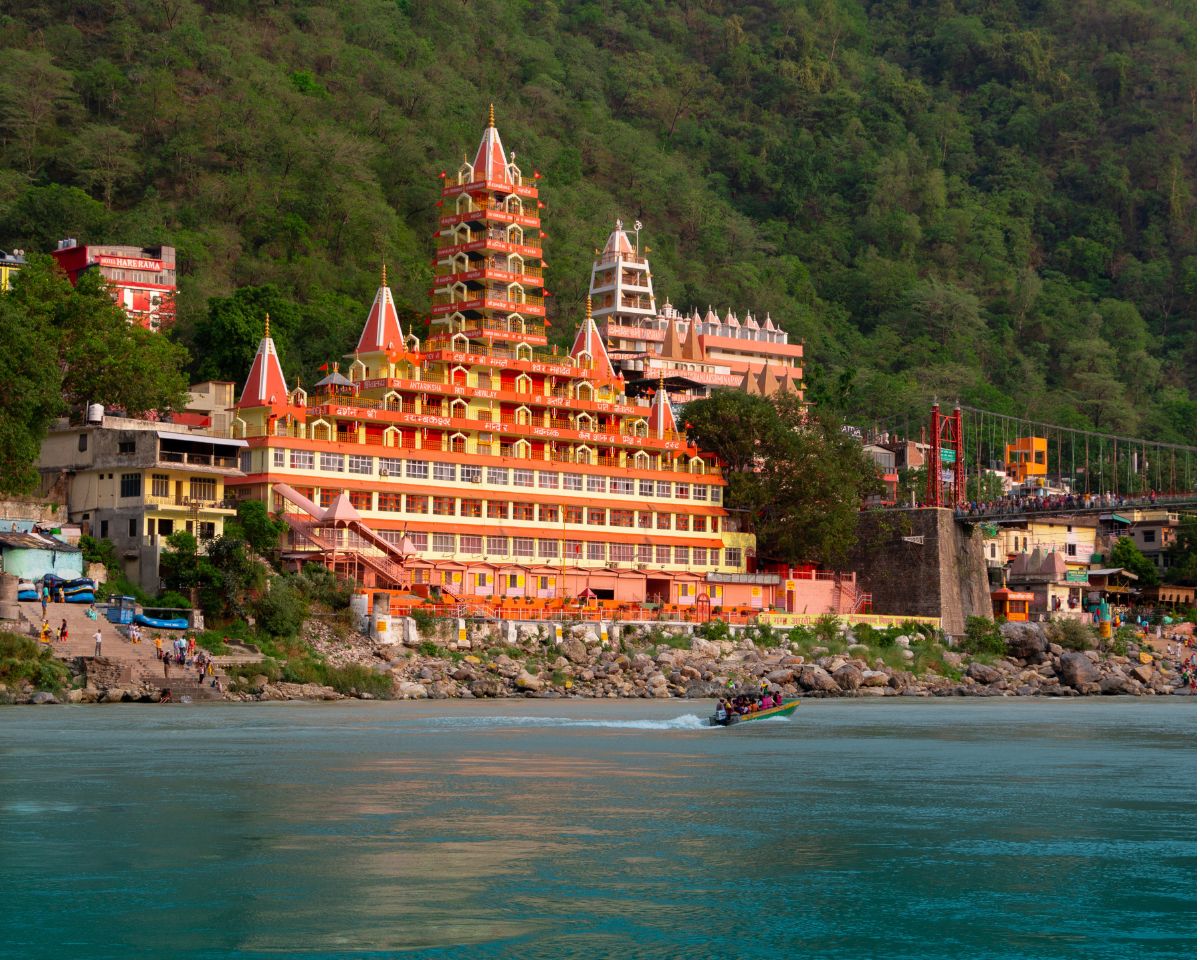
- Rishikesh – globally recognised for yoga and meditation instruction.
- Goa – a growing wellness destination beyond its beach-tourism identity.
- The Himalayas (Uttarakhand and Himachal Pradesh) – meditation, altitude fitness, nature immersion.
India’s advantage is authenticity paired with policy backing. The primary constraint is consistency quality and certification standards still vary between states.
Chapter 08
Investment Opportunities
Luxury resorts. Retrofitting existing five-star properties with diagnostics rather than building new facilities.
Wellness hotels. Purpose-built properties designed around structured, multi-day programmes.
Retreats. Boutique, often founder-led operations built around a single specialism.
Digital health. Wearables and AI coaching that extend the guest relationship beyond the stay.
Insurance. Emerging coverage for preventive and AYUSH-based treatment, still inconsistent internationally.
Medical wellness. Diagnostics and hospitality combined the fastest-growing segment by valuation.
Corporate wellness. Structured retreats sold as an employer health benefit.
Destination development. Government-backed infrastructure, particularly India’s regional medical hubs and UAE’s diversification strategy.
Chapter 09
Challenges
- Lack of standardisation across providers, treatments, and outcome reporting.
- Inconsistent certification requirements between and within countries.
- Greenwashing and “longevity-washing” without clinical substance behind it.
- Limited scientific validation for some traditional therapies against Western clinical standards.
- Fragmented regulation spanning hospitality, alternative medicine, and healthcare frameworks.
- Accessibility – high treatment costs remain the largest barrier to broader adoption.
- Pricing opacity, particularly for bundled, multi-therapy programmes.
- Uneven consumer awareness of what distinguishes credentialed longevity medicine from general spa wellness.
Chapter 10
Future Outlook
By 2030
Longevity programming becomes standard infrastructure in luxury hospitality rather than a differentiator. Specialisation deepens cognitive-longevity, metabolic-health, and musculoskeletal-regeneration offerings replace generalist “anti-aging” packages.
By 2035
AI-guided personalisation becomes the default delivery model, with wearable data feeding continuously into programme design before, during, and after travel.
By 2040
The industry’s centre of gravity shifts from lifespan extension toward compressed morbidity maximising years lived in good health. Genomics, precision health, and personalised nutrition become mainstream inputs, and accreditation frameworks mature to address today’s trust gaps.
Chapter 11
Key Takeaways
- 01
Longevity tourism is moving from niche to mainstream, growing roughly three times faster than global travel overall. - 02
Preventive health is replacing reactive healthcare as the category’s organising logic. - 03
Healthy aging is becoming a primary travel motivation, not a leisure-trip add-on. - 04
India has one of the strongest competitive positions globally, built on Ayurveda, yoga, and government investment. - 05
Genomics, wearables, and AI will increasingly personalise and extend programmes beyond the trip. - 06
Healthspan is becoming more important to consumers than lifespan alone. - 07
Europe retains clinical leadership; Asia Pacific is the fastest-growing region. - 08
Standardisation and accreditation remain the industry’s biggest unresolved challenge. - 09
Investment favours retrofitting existing luxury hospitality over building new property categories. - 10
By the mid-2030s, longevity-informed travel is likely to be standard practice across premium hospitality.
Chapter 12
References
- World Health Organization (WHO) – guidance on healthy ageing and traditional medicine standards.
- UN Tourism (UNWTO) – World Tourism Barometer: 2025 review and 2026 global outlook.
- Global Wellness Institute (GWI) – global wellness economy research.
- World Bank – population ageing and healthcare expenditure data.
- McKinsey & Company – future of wellness consumer research.
- Nature – peer-reviewed research on ageing biology and longevity science.
- PubMed / National Library of Medicine – clinical literature on preventive medicine and Ayurveda.
- Ministry of AYUSH, Government of India – policy and visa programme data.
- Ministry of Tourism, Government of India – wellness tourism accreditation and “Heal in India.”
- Statistics MRC, Technavio, Grand View Research, Mordor Intelligence, IMARC Group, Research and Markets – market sizing and forecast data.
Start here
Explore Wellness & Longevity Retreats
Looking to experience wellness and longevity tourism firsthand? Discover carefully curated Ayurveda, yoga, detox, healthy aging, and preventive wellness retreats across India with Trexova.
This report is intended as a living reference: a hub connected to Trexova’s destination guides, statistics pages, and retreat listings each linking back here in turn.